By Michelle Brannon, Co-founder of Boat Safe and Live
With summer recreation in full swing, local safety advocates are reminding families that drowning prevention requires more than a single action—it requires multiple layers of protection, education, and preparedness.
That was the message shared during a recent Water Safety Seminar hosted by the Marshall-Harrison County Health District as part of its Building Healthy Futures Summer Series. Held at the Marshall Fire Department Community Room, the event brought together children, parents, grandparents, and community leaders to learn practical ways to stay safe in, on, and around the water.
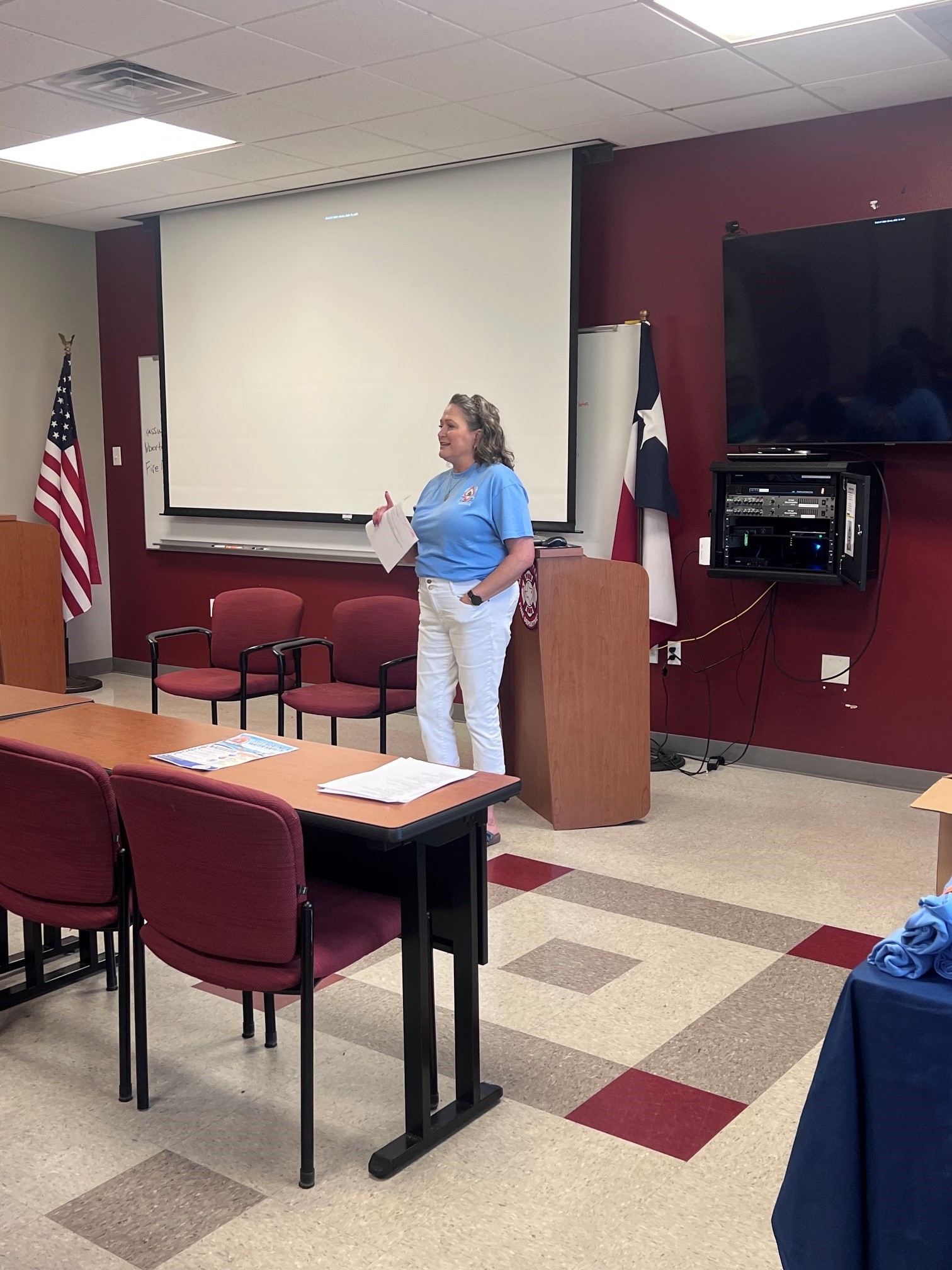
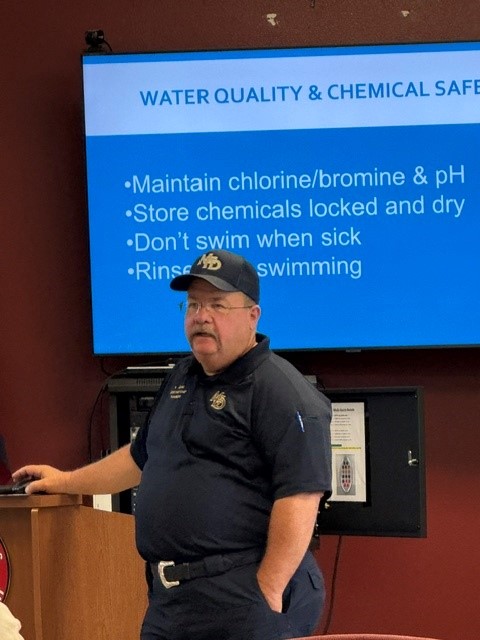
Featured speakers included Assistant Fire Chief Randall Jeans of the Marshall Fire Department and Michelle Brannon, co-founder of Boat Safe And Live.
Jeans opened the seminar by discussing pool safety and drowning prevention, drawing from a personal family experience involving a near-tragedy. His presentation emphasized the importance of the Five Layers of Protection, a nationally recognized drowning prevention strategy that includes active supervision, barriers and alarms, swimming skills, lifejackets, and emergency preparedness.
"Drowning is fast, silent, and often occurs when people believe someone else is watching," Jeans explained. "The goal is to have multiple layers of protection in place so that if one layer fails, another can prevent a tragedy."
One of the key tools discussed was the use of Water Watcher Cards, which are small laminated cards attached to a lanyard or bracelet that designate a specific adult to supervise children around water, free from distractions such as phones, conversations, or other activities. Boat Safe And Live distributed Water Watcher Cards during the seminar and donated additional cards to the Marshall Fire Department for future community outreach and educational events.
Another important message focused on helping children become comfortable and capable around water. Participants were encouraged to enroll children in swimming lessons, teach them to float on their backs, and help them develop confidence around water without instilling fear.
One of the strongest messages shared during the seminar concerned the proper use of lifejackets and the dangers of relying on flotation devices not designed to save lives.
Jeans explained that many parents mistakenly use inflatable armbands, water wings, swim rings, and even popular "puddle jumper"- style flotation devices as substitutes for supervision, swimming lessons, or properly fitted lifejackets. While these devices may provide confidence, they can also create a false sense of security.
According to water safety experts, many flotation aids keep children upright in the water. While that position may seem helpful, it is the opposite of the body position used for swimming. Children who spend significant time using these devices may become accustomed to remaining vertically in the water rather than learning to roll onto their backs and float independently.
Additionally, some flotation devices can become hazardous if a child enters the water upside down or is flipped by waves, current, or rough play. In those situations, the flotation device can force the child's arms upward while allowing the face and head to remain submerged.
Instead, speakers encouraged parents to teach children to float on their backs, enroll them in age-appropriate swim instruction, and use properly fitted, U.S. Coast Guard-approved lifejackets whenever appropriate.
Brannon also warned families about the growing number of counterfeit lifejackets appearing in online marketplaces and discount retail outlets. While these products may resemble legitimate lifejackets, many have not been tested to the rigorous performance standards required by the U.S. Coast Guard and may fail when needed most.
Consumers were encouraged to look for a U.S. Coast Guard approval label and purchase lifejackets from reputable retailers and manufacturers.
"A lifejacket isn't there to help you swim," Brannon told attendees. "A lifejacket is there to save your life when you're unable to save yourself."
Speakers also emphasized the importance of recognizing hazardous swimming conditions. Open-water environments such as lakes, rivers, and ponds present risks not found in swimming pools, including submerged obstacles, changing weather, currents, low visibility, steep drop-offs, and underwater hazards.
Brannon's presentation focused on boating and open-water safety, including drowning prevention, lifejacket wear, boating laws, hazard awareness, and safe recreational practices on Texas lakes and waterways.
The seminar also addressed a common misconception that only non-swimmers drown. Many open-water drowning victims have some level of swimming ability. Swimming skills alone cannot overcome factors such as exhaustion, injury, panic, medical emergencies, alcohol impairment, cold water shock, strong currents, waves, or unexpected hazards. For that reason, speakers emphasized that learning to swim is an important layer of protection, but it should never replace wearing a lifejacket, active supervision, hazard awareness, and sound decision-making around the water.
The topic was especially timely given several recent East Texas drowning tragedies. During 2026, fatal incidents have occurred at Lake Tyler, Lake Cherokee, and Lake Palestine, underscoring the importance of water safety awareness throughout the region.
According to Texas Parks and Wildlife Department statistics, drowning remains the leading cause of death in recreational boating accidents. Most boating-related drowning victims were not wearing a lifejacket when they entered the water.
To help reduce those tragedies, safety officials encourage boaters to follow several key practices:
- Wear a properly fitted lifejacket every time you are on the water.
- Boat sober and never operate a vessel under the influence of alcohol or drugs.
- Use an engine cutoff switch whenever operating a motorized boat.
- Stay alert to hazards, including submerged objects, changing weather conditions, strong currents, and overhead power lines.
- Complete a boating safety education course.
Texas law requires anyone born on or after September 1, 1993, to complete a state-approved boating safety course before operating certain vessels. Safety experts agree that boating education remains one of the most effective ways to reduce accidents and fatalities.
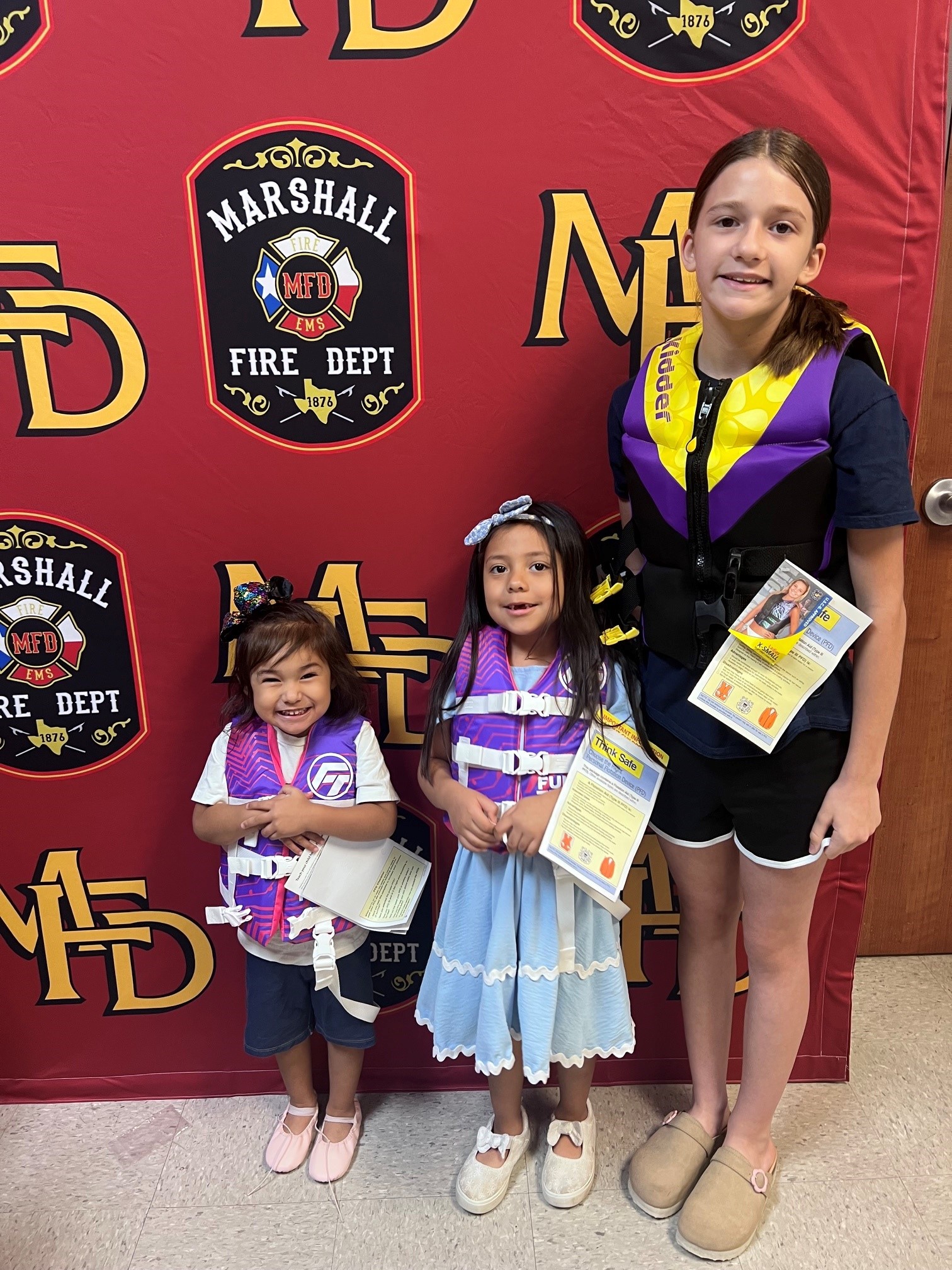
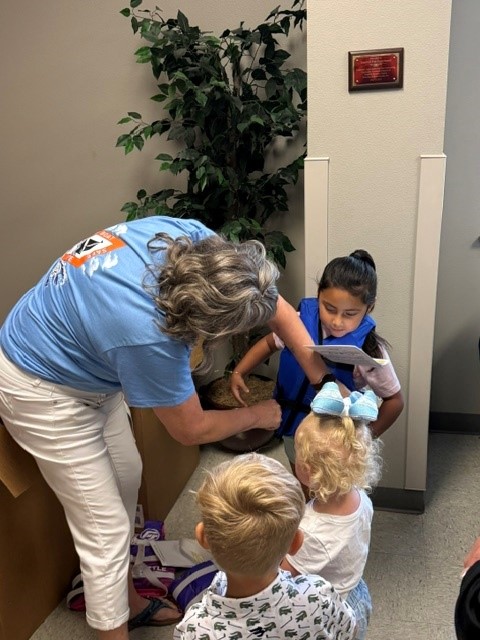
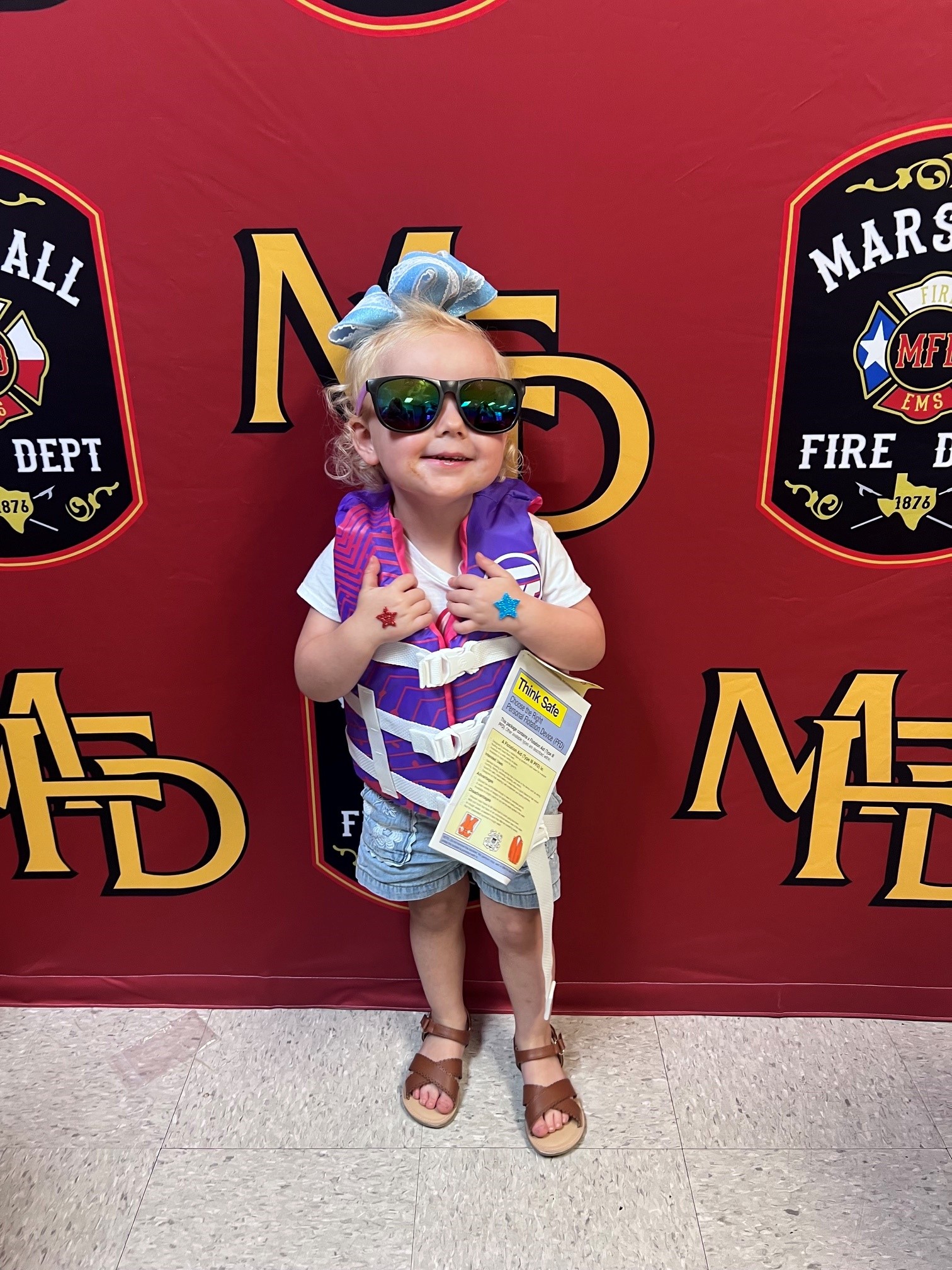
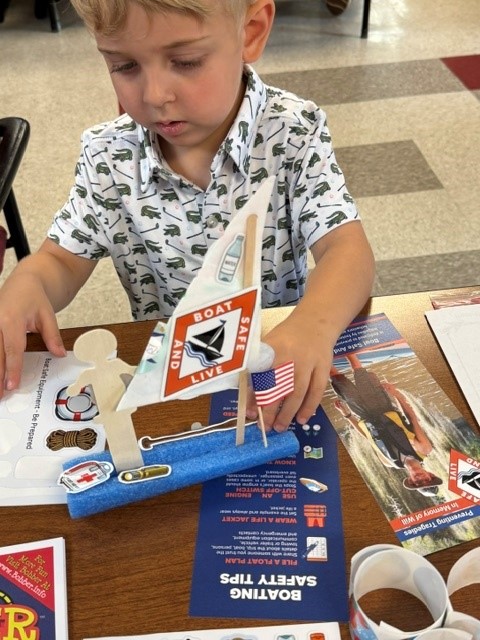
The seminar also provided direct assistance to families by distributing lifejackets, Water Watcher Cards, Safe Sailboat Kits, boating safety cards, educational activity books, and other water safety resources.
Organizers described the event as a successful example of community-based water safety education and noted that discussions are already underway regarding a larger community water safety event next spring.
Both Assistant Fire Chief Randall Jeans and Michelle Brannon of Boat Safe And Live are available to present future seminars and community programs focused on pool safety, drowning prevention, boating safety, and open-water safety. Their presentations can be tailored for schools, civic organizations, churches, camps, youth programs, neighborhood associations, businesses, and community events.
The Marshall-Harrison County Health District's Building Healthy Futures Summer Series will continue Thursday, June 25, at 1:00 p.m. with a Hands-Only CPR seminar at the Marshall Public Library, 300 S. Alamo Street in Marshall.
The free, non-certification class will teach participants how to perform hands-only CPR and potentially life-saving assistance during a cardiac emergency. The program will be presented by Sarah Jeter of the American Red Cross. Participants must be at least 14 years old to attend, and anyone under 18 must be accompanied by an adult. Registration is required.
For additional information or to register, visit mhchd.org or contact the Marshall-Harrison County Health District at (903) 938-8338.
As families head to the water this summer, organizers hope residents remember a simple but important message: respect the water, wear a lifejacket, learn to float, actively watch children, and never rely on a single layer of protection. Working together, those simple steps can save lives.